
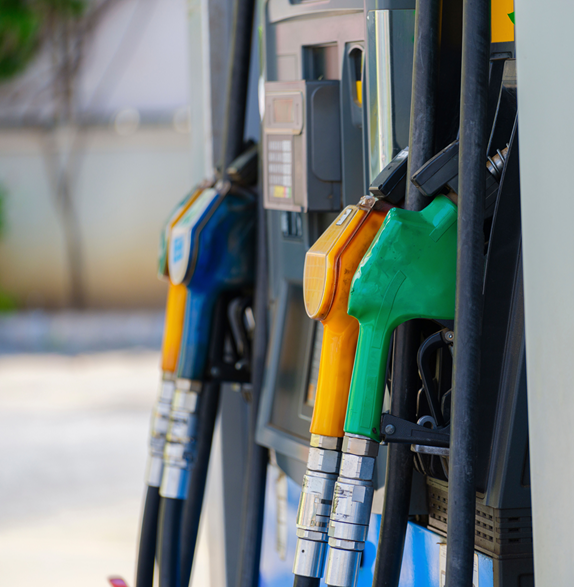
CLEVELAND, Ohio — Ohio’s temporary gas tax break was supposed to give motorists some breathing room. Three weeks into the holiday, however, pump prices in Northeast Ohio are climbing again, leaving many drivers wondering where the relief went.
Gov. Mike DeWine signed House Bill 519 on October 1. The measure took effect October 4 and runs through January 2, 2027, temporarily reducing the state’s gasoline tax of 38.5 cents per gallon and diesel tax of 47 cents per gallon to a nominal amount. State lawmakers set aside $725 million to offset the lost fuel-tax revenue.
But a lower tax rate has not meant consistently lower prices.
According to AAA’s gas price tracker, regular gasoline averaged approximately $4.44 per gallon in the Cleveland-Lorain-Elyria area on October 24, compared with roughly $4.11 a week earlier. The statewide average was approximately $4.42 per gallon.
Those numbers illustrate the challenge facing Ohio motorists: Even with the tax reduction in place, gasoline prices remain unpredictable.
Why Aren’t Drivers Seeing More Relief?
Suspending a state fuel tax reduces one part of what customers pay. It does not control crude oil prices, refining and transportation costs, or broader changes in the gasoline market.
AAA East Central spokesperson Lynda Lambert, speaking to News 5 Cleveland, explained that global oil markets, competition between gas stations and the cost of fuel already in station inventories can all influence prices.
That means a tax reduction can be offset by increases elsewhere in the cost of gasoline.
For perspective, eliminating 38.5 cents in tax amounts to approximately $5.78 in savings on a 15-gallon fill-up, assuming all other price components remain unchanged.
For motorists paying well over $4 per gallon, that savings may be difficult to notice in the overall bill.
Gas Stations Are Still Required to Pass Along Tax Savings
There is an important distinction between changing market prices and withholding a tax cut.
According to the Ohio Department of Taxation, fuel retailers are legally required to pass the full value of the temporary tax reduction along to consumers.
Stations that purchased fuel before the suspension took effect may still be selling inventory purchased at the higher tax rate. However, the state has established reimbursement procedures for those retailers.
Failure to pass along the required savings may constitute an unfair or deceptive business practice.
Drivers who suspect a retailer is improperly collecting the suspended tax can file a complaint with the Ohio Attorney General’s Office.
Temporary Relief, but an Uncertain Road Ahead
Ohio’s gas tax holiday is scheduled to end January 2, 2027, when the standard fuel tax rates are set to return.
Until then, drivers will continue to face a fuel market influenced by factors far beyond Ohio’s borders.
For households already stretching their budgets to cover groceries, utilities and transportation, even modest changes in gasoline prices can make a difference.
The tax holiday may provide a financial cushion, but it has not eliminated the broader pressures pushing fuel costs higher.
And for Ohio drivers watching prices climb again, the relief promised at the pump still feels frustratingly out of reach.
Reader Discussion