
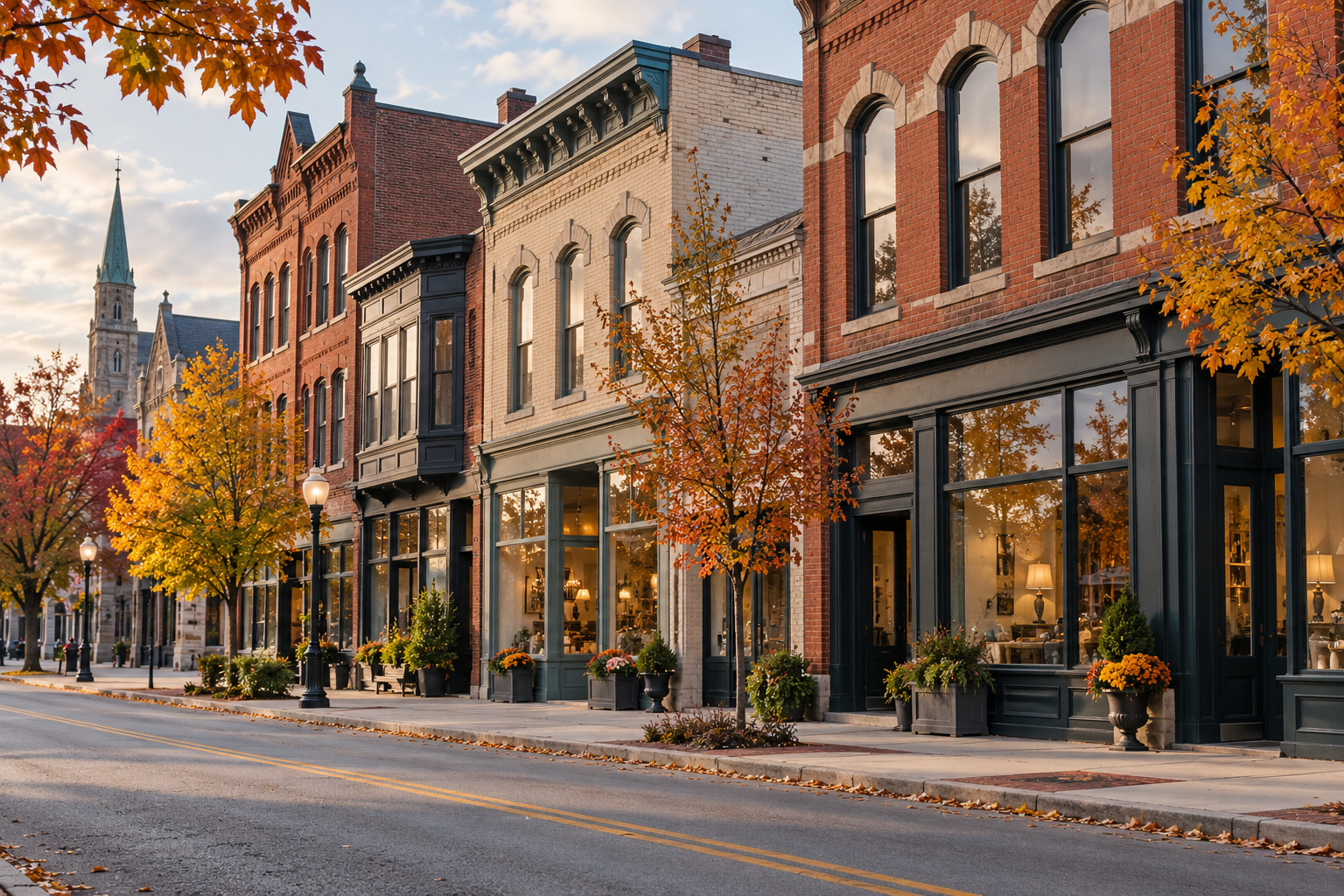
Toledo city leaders are aggressively pushing to bring new life—and new roofs—to local neighborhoods. On October 14, 2026, the City of Toledo hosted a major developer summit, bringing in real estate professionals from across the country to encourage new construction, specifically targeting vacant “infill” lots in established neighborhoods.
While Toledo remains a highly affordable place to live, it faces a stark inventory shortage: a vast majority of the city’s existing housing stock was built prior to 1980.
Rewriting the Rules for New Growth
To attract builders, city officials are actively cutting through red tape. Collina Ali, Toledo’s deputy director of housing and community development, highlighted that the city is currently undergoing a “pro-housing” zoning rewrite. The plan aims to stabilize neighborhoods by building two or three new properties on a single block rather than undertaking massive, disruptive developments.
To make this easier, the city has already adjusted zoning regulations regarding lot sizes. Furthermore, leaders emphasized that developers can tap into a massive inventory of available land completely owned by the city and the local land bank.
Award-Winning Progress Already Underway
The push for modern, affordable inventory isn’t just a plan for the future—it’s already winning national recognition.
Just days after the summit, the National Community Development Association (NCDA) presented Toledo with the Community Impact Award. The honor recognizes The Glen and The Grand, a freshly completed 70-unit affordable housing development scattered across local neighborhoods, including the Glendale Avenue corridor.
By pairing aggressive zoning reform with direct incentives for vacant lot construction, city leaders are trying to create a blueprint for sustained neighborhood stabilization.